


s5 | Exploring the World of Strategy Games: A Game Category with Depth and Challenge
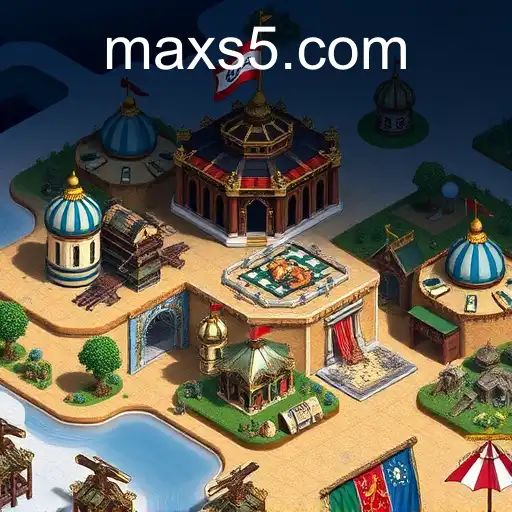
In the ever-evolving realm of digital entertainment, strategy games hold a distinct position as a favorite among gamers who enjoy a cerebral challenge. Recognized on various platforms with the keyword 's5,' this genre encompasses a range of games where players must exercise planning, resource management, and tactical maneuvering to achieve success. From the thrill of real-time strategies to the intricate planning required in turn-based scenarios, strategy games offer depth and diversity unlike any other category.
This fascinating category can trace its origins back to board games and tabletop simulations, with titles such as 'Risk' and 'Chess' as its ancestors. As technology advanced, these strategic exercises found a new home in the digital sphere, giving rise to iconic titles like 'Civilization,' 'StarCraft,' and 'Age of Empires.' This evolution has continued, with modern entries like 'Crusader Kings' and 'Total War' expanding the genre to unprecedented levels of complexity and engagement.
One of the primary appeals of strategy games is their capacity for replayability. Unlike other game genres focused heavily on linear narratives or reflex-based gameplay, strategies require players to adapt and evolve with each session, ensuring no two plays are the same. This feature creates a rich sandbox for creativity and problem-solving, fostering a community of gamers who relish the challenge of overcoming obstacles through intellect and cunning.
Furthermore, strategy games excel in offering players a platform for experimentation. In these simulated worlds, players can test various strategies, explore different leadership styles, and devise unique approaches to conquer challenges, making the learning curve both steep and rewarding. Whether leading an army to victory in a historical setting or building an interstellar empire, the sense of accomplishment derived from successfully executing a well-thought-out plan is unparalleled.
With the rise of multiplayer capabilities and online communities, strategy games have also become a venue for social interaction and competition. Players can pit their wits against others worldwide, engaging in epic battles of strategy and wit that can span hours, days, or even weeks. These experiences often lead to the formation of bonds and rivalries, adding a social dimension to the intellectual pursuit.
In conclusion, the strategy game genre, marked by its 's5' designation on many gaming platforms, remains a pillar of the gaming landscape. Its blend of mental challenge, endless variety, and capacity for creative endeavor ensures its continued popular and critical acclaim. As technology and gaming peripherals evolve, so too will the opportunities for strategy game developers to create more immersive and challenging experiences for a dedicated audience.
